


 All Programs

Exploring the subconscious through the language of symbols

An interview with our graduate, artist Tatiana Ergunova
Hi everyone! Welcome to issue 8 of our #ourstudents series — interviews in which our students talk about themselves and their art.
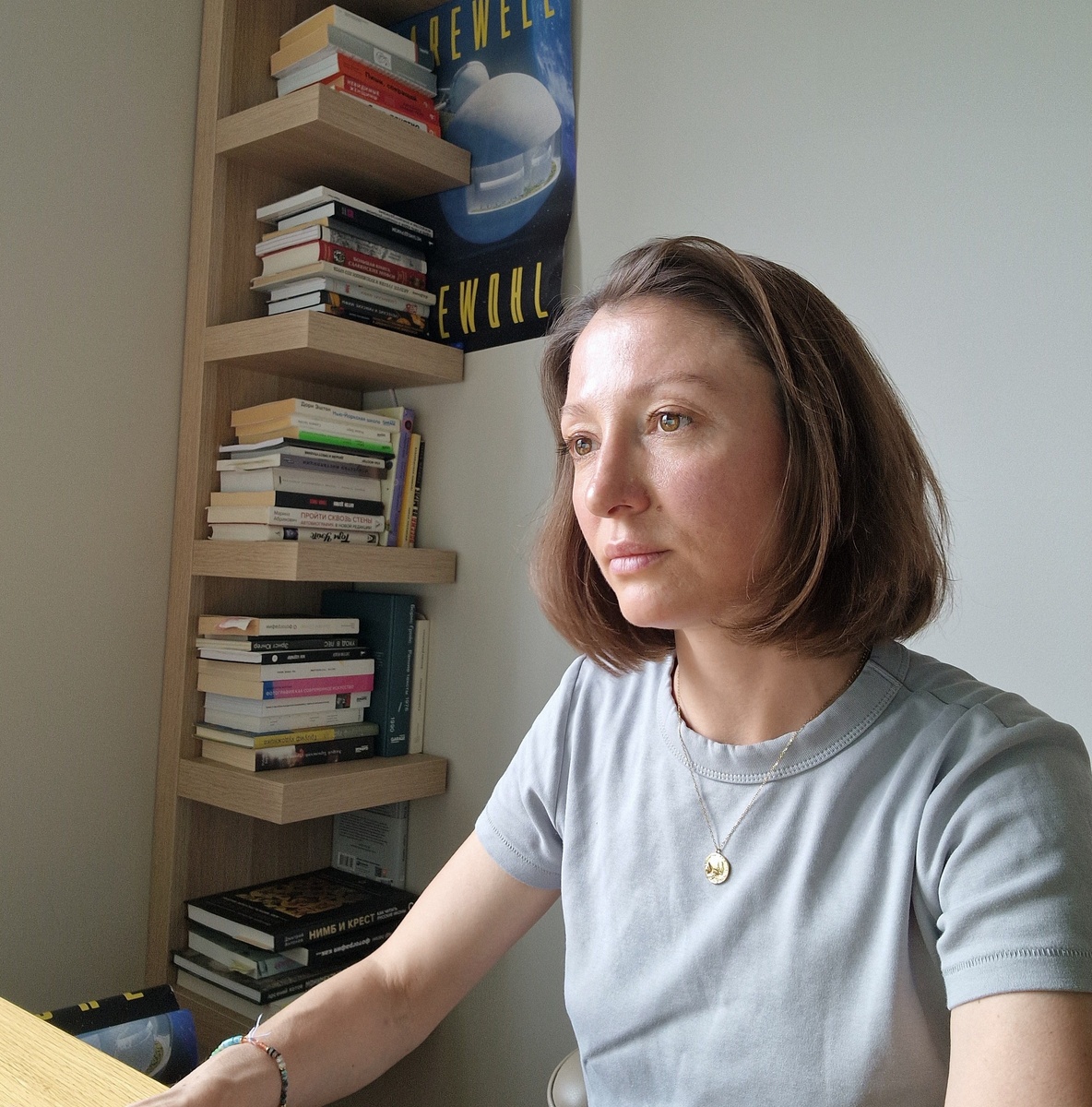
The subject of this issue is Tanya Ergunova — a multidisciplinary artist working with analog photography, installation and painting. She was a co-founder of the SKLAD cultural venue in Abkhazia, where for several years she curated contemporary art exhibitions and handled the management side of a self-organized space. She graduated from the Saint Petersburg Stieglitz State Academy of Art and Design, department of interior design. She now lives and works in the Stavropol region.
What inspires you?
World literature, music, German and Italian opera, cinema; other artists inspire me, and going to cultural events. In 2016 I twice flew from Abkhazia to Perm to hear La Traviata in Robert Wilson’s staging and to take in the way Currentzis conducts the energy of souls. This year I went to the Venice Biennale for the first time. Events like that shake me and inspire me on a fundamental level.
There’s a family story about my mother, a mathematician by profession, who as a young woman flew with her friends from Ufa to Moscow purely to see the Mona Lisa, which was on tour at the time. When I was a child she sat me down in front of the television and told me I absolutely had to watch “Solaris” — I was about 10 or 12. It stayed with me, and later, living in a dorm in Saint Petersburg, my friends and I would rewatch films by Tarkovsky, Antonioni, Fellini and others on pirated discs. Later still I recognized myself as an artist for the first time, after shooting a series of desert works and calling them “Solaris”.
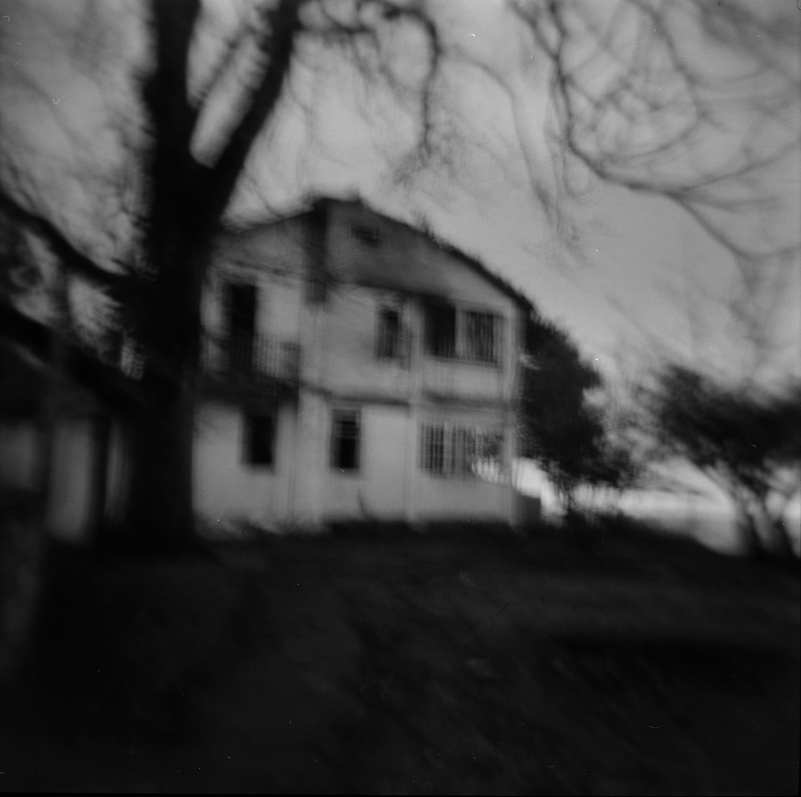
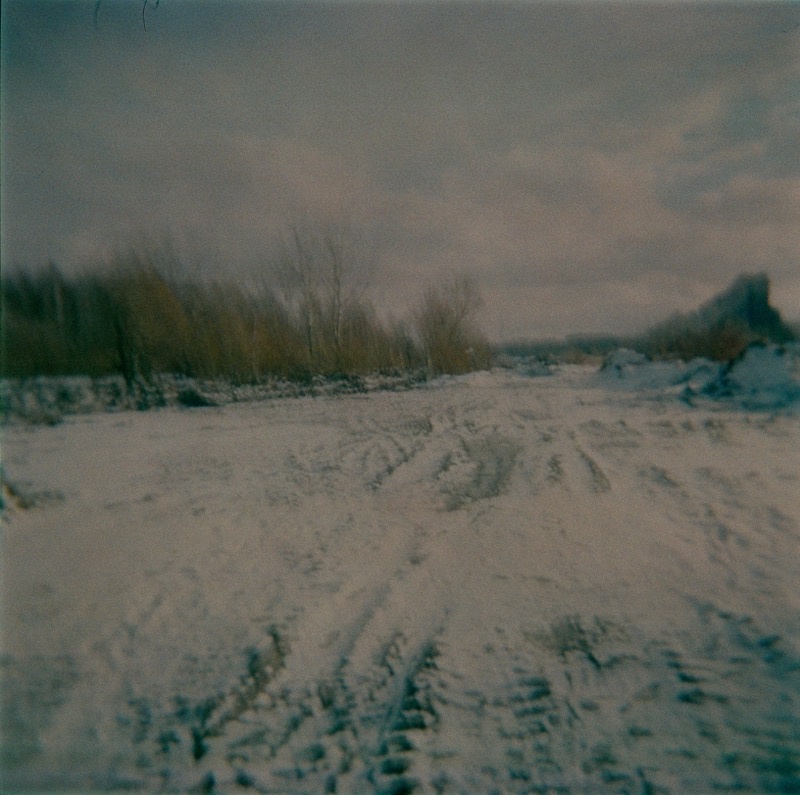
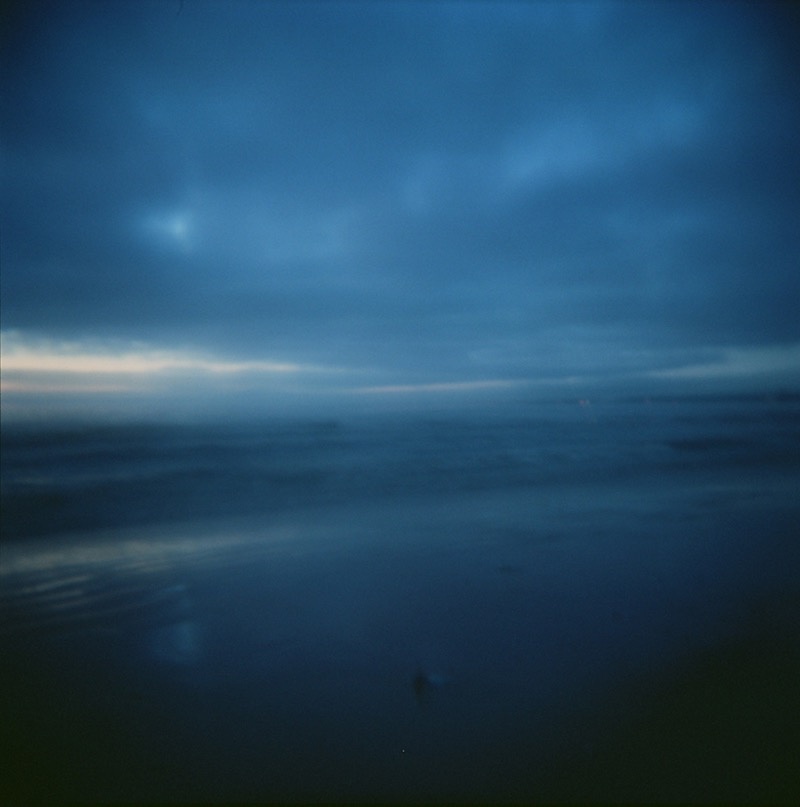
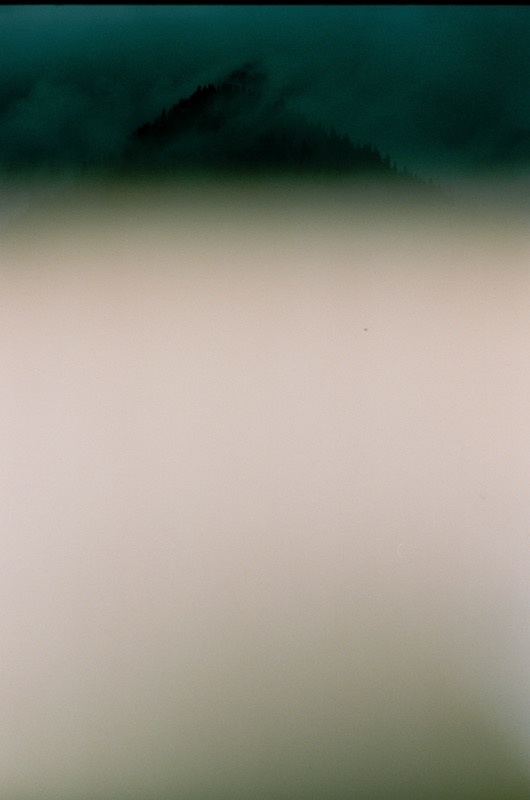
And of course I draw inspiration from everything around me: I find places where there are almost no people and convey a state of being. I love film photography — it’s like a jack-in-the-box: you surrender to the magic happening inside a black box, which only intensifies the effect of working with emptiness.
The next thing that feeds me and gives me ideas is philosophy, physics, mythology, the Russian icon, the idea of the infinity of space, micro-details like the ordinary objects around us, and the stories of human lives.
What themes do you raise in your art?
I’m interested in space. I raise the themes of emptiness, timelessness, loss and human absence, duality, the principles of the universe, cyclicality, the connection between matter and spirit. Ideas of emptiness turn into an exploration of the human being lost in the time of existence. Sometimes I make site-specific projects in a particular place, studying the retrospective of events there. What comes out of that research is realized here and now, often without being represented in an exhibition project.
What do you consider your main achievement so far?
That’s a hard question to answer. As an artist I lived a fairly closed life for a long time, and I hope all the achievements are still ahead. Probably the experience of running an artist-run space, which is what SKLAD was, and the experience of learning everything as you go, like learning to swim after being thrown off a boat into a river.
What is your mission as an artist?
Can you give three pieces of advice to artists who want to make contemporary art?
Want to build a career in art?
OnStudy online programmes, led by curator Maria Hiltunen-Sedoshenko: art management, selling art and building an artist’s career.
 WhatsApp
 Telegram
 I have a question

