


 All Programs

Reflecting the world through a universe of cheetahs, symbols of how quickly time passes

Hi everyone! Welcome to issue 12 of #ourstudents — a series of interviews in which our students talk about themselves and their art.
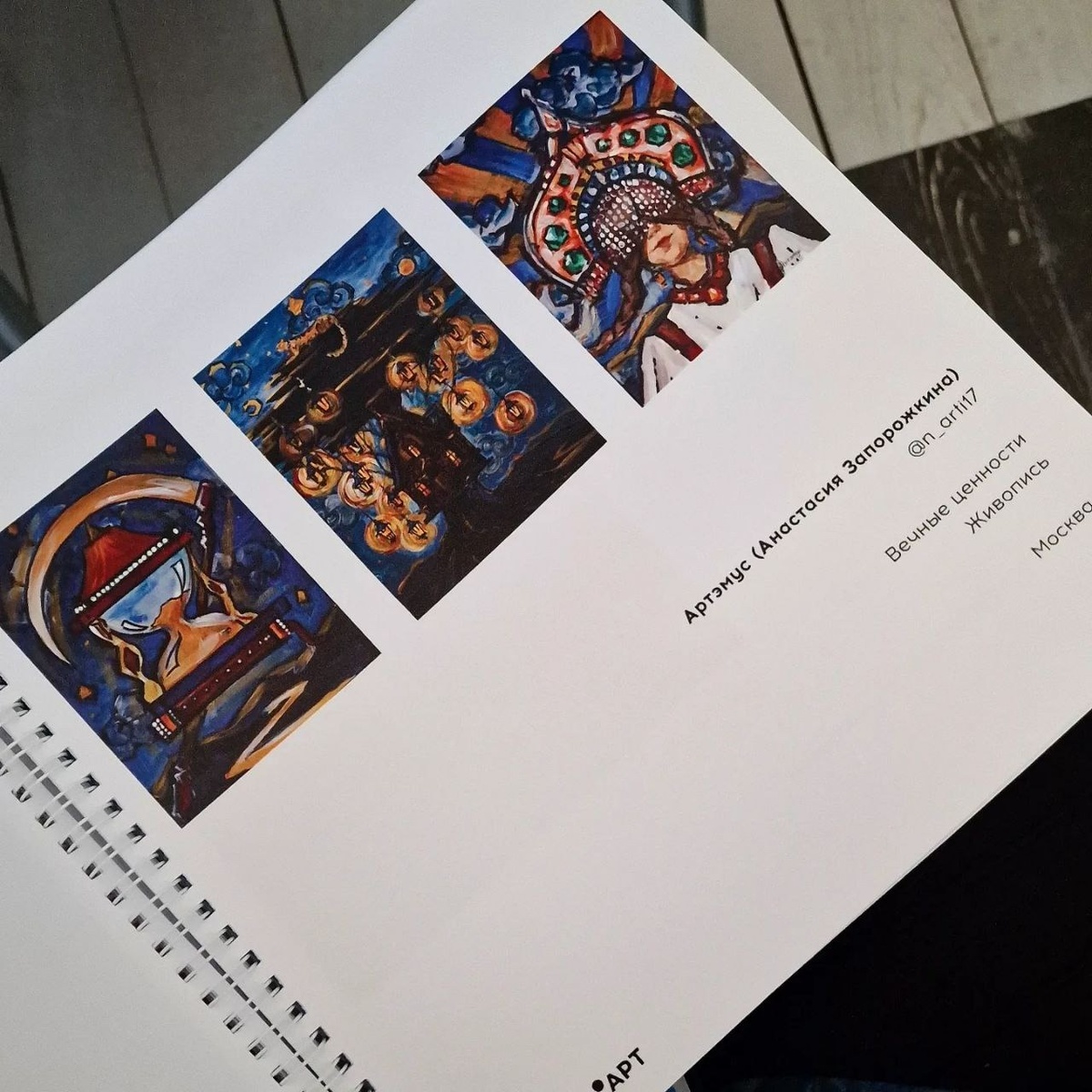
In this issue we’ve invited our student Anastasia, who is already making a name for herself in the art world under the pseudonym Artemys and has her first results to show for it.
How did you come to contemporary art?
I have a formal art education. It began at a children’s art school in Chelyabinsk, then I enrolled in the easel painting department of the Chelyabinsk Art College, and four years later I moved to Moscow. That’s where the interesting part of my path began, at the Sergey Andriyaka Academy of Watercolour and Fine Arts, where I studied for six years with real excitement and graduated with distinction. While studying I opened my own art studio, which is still going strong. After graduating, though, and after a long run of commercial commissions, I burned out and completely lost myself.
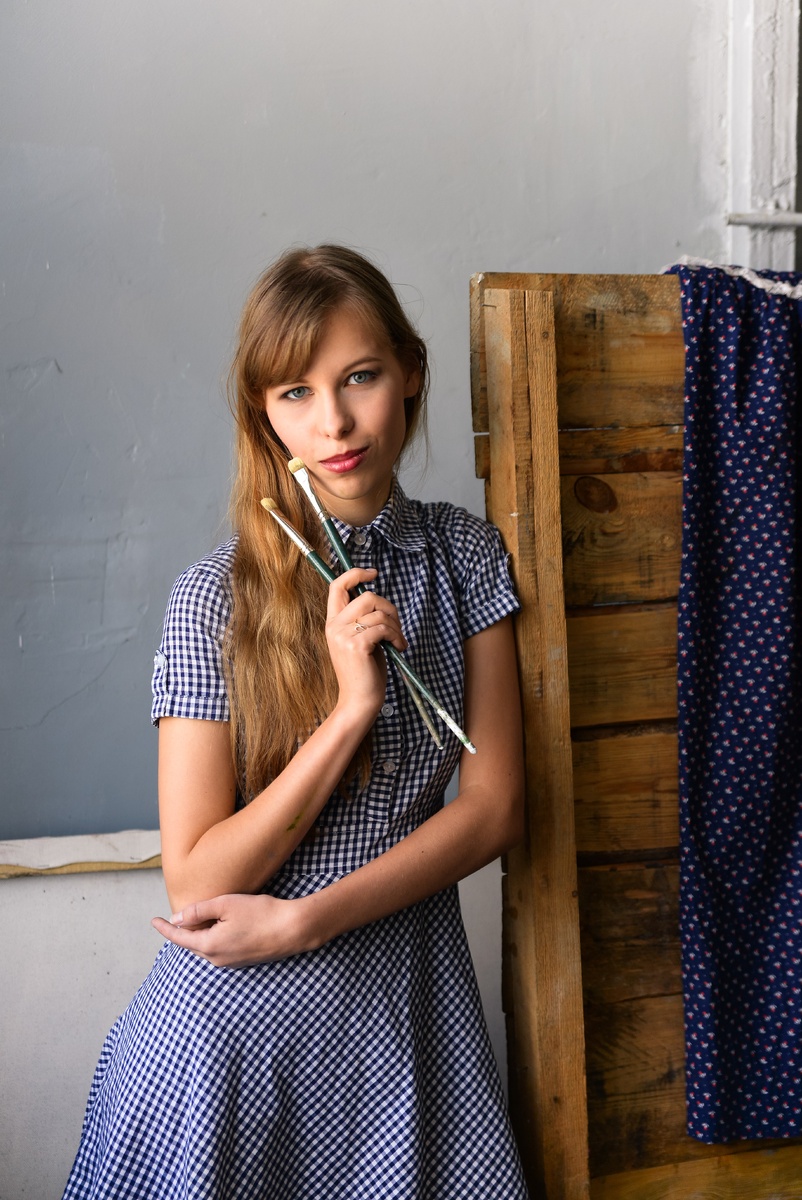
The real path started precisely with that creative crisis. More than six months of travelling around Asia and simply resting gave me the strength to start an art career and look for my own voice. I came to contemporary art about three months ago; I started studying the market, building a portfolio and constructing a career as an artist.
How did you end up at Tavrida?
Elizaveta Maslova (she works at Art Patrol) told me about Tavrida and kept pushing me until I got my application in on the very last day, from somewhere in the Ural mountains. I put together a presentation and an intro video on the fly and made it through the first round of selection.
What are your overall impressions of the festival?
I had no expectations at all; at worst, I thought, I’d swim in the sea and paint a few studies, which would already have been lovely. But the festival exceeded everything I could have hoped for, and I got answers to the questions that had been bothering me.
The most valuable thing was realising that I’m on the right track, along with the confidence in my own expertise as an artist that the Tavrida speakers gave me.
Tell us about the atmosphere at Tavrida. A lot of artists say it feels like the warmth of summer camp when you were a kid — is that true?
Tavrida really is like a summer camp for grown-ups: they feed you well, there’s a routine, useful activities and, of course, wonderful people who became friends.
Anastasia was also invited to join Art.Youth, a project that brings together artists from all over Russia and helps them show their work on a range of platforms.
What five key principles, insights or ideas did you take away from this session?
-
-
Keep up with the times. Don’t turn your back on new technology; try things boldly and experiment.
-
Relationships with people are the key that opens any door. The more visible you are, the more interesting your presence, the way you work with galleries and brands, the way you talk to collectors and clients — all of that determines how fast and how productively you move forward.
-
The international market is open to Russian artists! You just have to set the goal and stop looking for excuses. Study that direction and it will work out.
-
When you work with galleries, you can read the contract and negotiate the terms. A gallery is a partner, not a villainous agent taking the artist’s money.
-
Value your time. Whoever masters their time and their routine can play the long game — and is bound to succeed.
-
Tell us about your art: what media, materials and subjects do you work with?
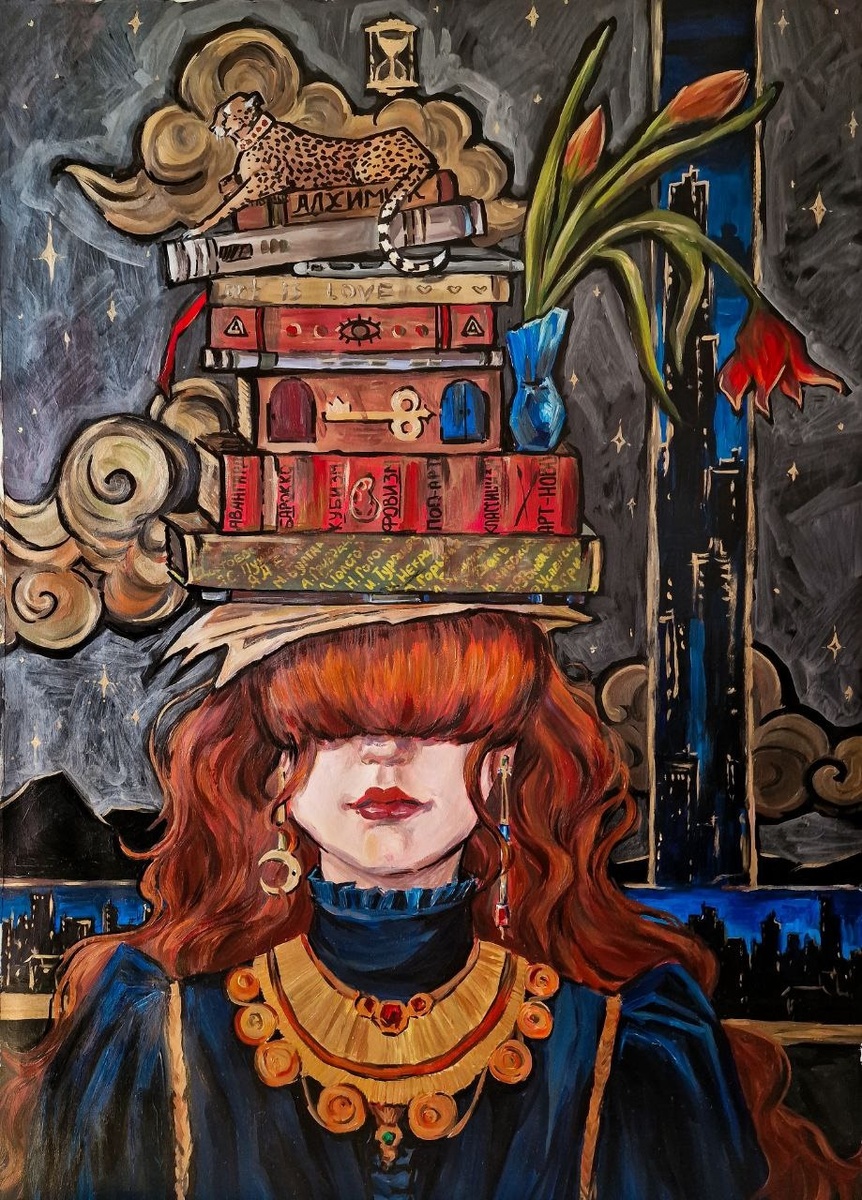
Oil painting is my favourite medium, and I also love bold experiments in drawing, combining graphic materials with inlay. The subjects of my works reflect how I see the world and the values that matter most to me. I’m building a universe where cheetahs stand for the fleeting nature of time in our headlong 21st century, and where I also trace the path a person takes in becoming themselves. I explore the value of family and of one’s standing in society.
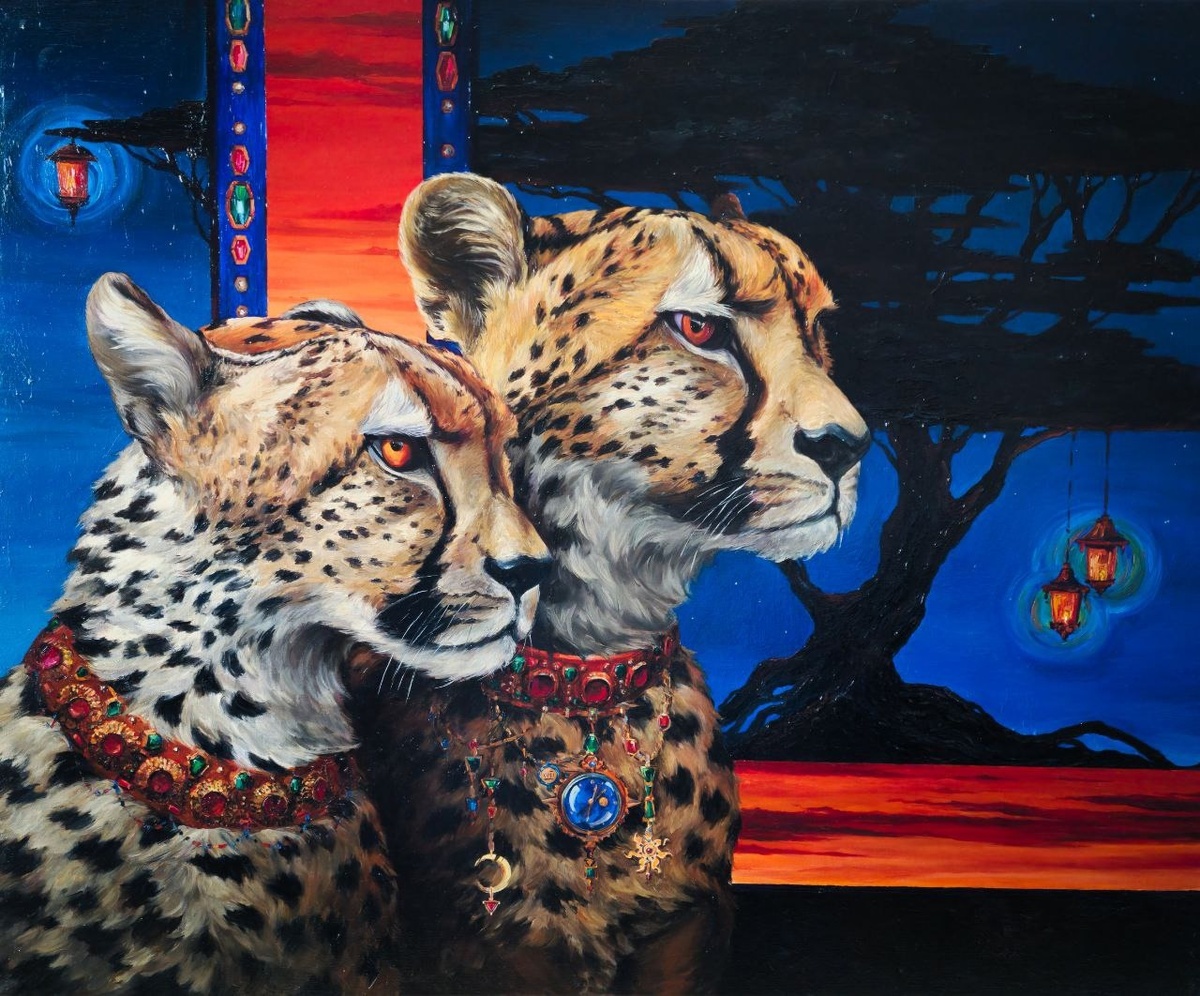
For me the most important thing in art is being able to convey values and ideas to people through a creative lens, to draw attention to pressing questions and to open up emotion.
What have been the most important things to happen to you in art so far?
Has the “I Want Into the Art World” program been useful to you?
Yes, and I’m very grateful to Maria Hiltunen-Sedoshenko for her personal support. She helped me urgently rework my portfolio for a Blazar application outside of class hours. It was so valuable to have someone explain how important it is to train your eye specifically on contemporary art, so that you can find your bearings and grow in the art world.
In the first month I got through 90% of the “I Want Into the Art World” course and started building my own collection of paintings. Later I came back to the lessons and went through the material again — it helps you plan your next steps much more precisely and put your documents together. I think I’ve achieved excellent results in three months.
Want to build a career in art?
OnStudy online programmes, led by curator Maria Hiltunen-Sedoshenko: art management, selling art and building an artist’s career.
 WhatsApp
 Telegram
 I have a question

