


 All Programs

Exploring the Art Scene of China’s Megacities

An Interview with Kostya Pavlov, a Graduate of the “I Want Into the Art World” Program
Hi everyone! Welcome to issue 9 of our #ourstudents series — a series of interviews where students talk about themselves and their art.
The subject of this issue is Konstantin Pavlov— a multidisciplinary artist and director. Kostya has been painting for more than 10 years and graduated from the design faculty and the postgraduate program of Smolensk State University.
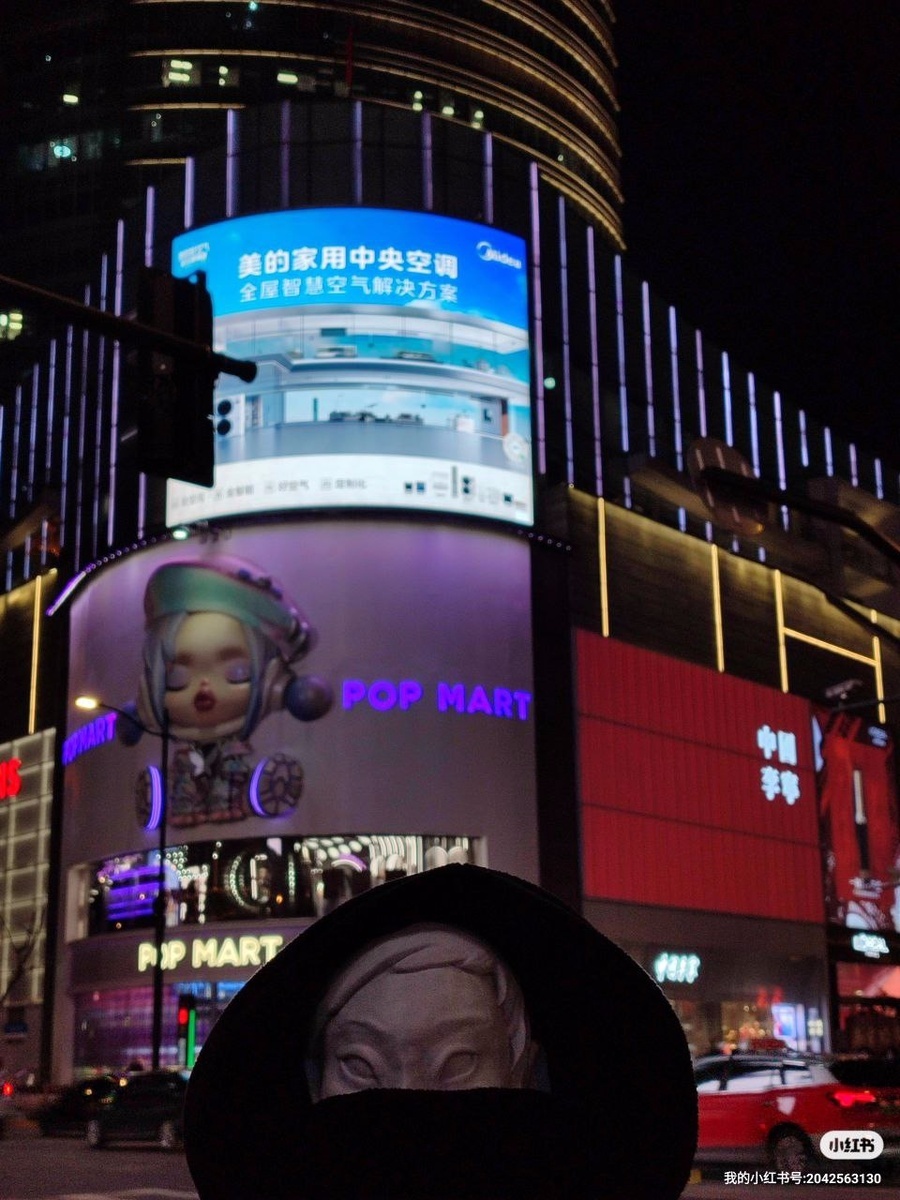
Right now I’m in China, exploring the art scene of its major megacities and making something new — a multimedia novel called [ S ]; I’m taking part in a project to build a diplomatic channel between states; and my further plans involve continuing to engage with the East Asian art market. I also keep developing an international community of professionals in science and the philosophy of art on my ever-present Telegram channel, — Kostya Pavlov.
What inspires you?
I don’t use the notion of “inspiration”; my art is a permanent reaction to events. Making it and making sense of it never stops, even when I’m in the deep depression of yet another crisis.
What themes do you raise in your art?
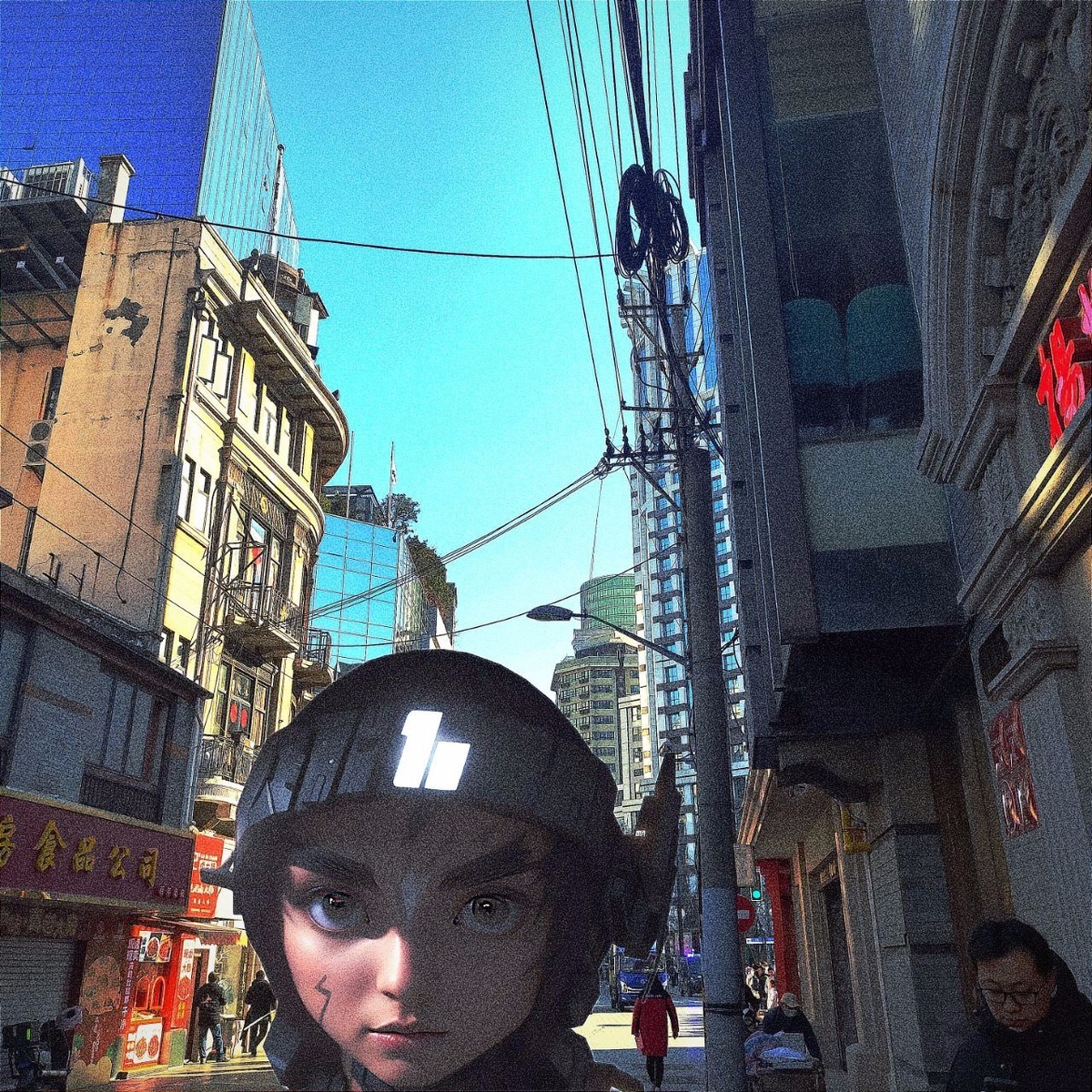
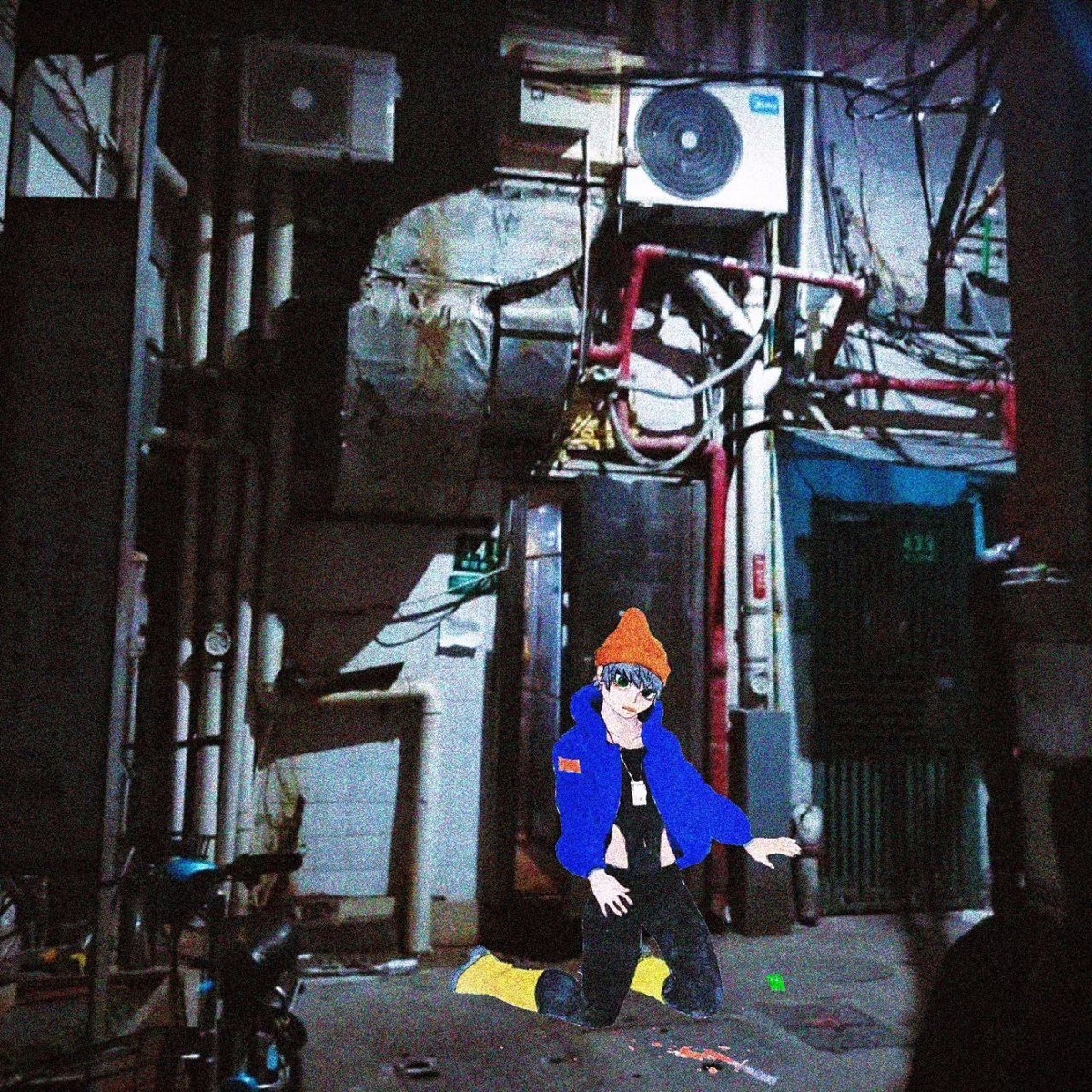
In recent years I’ve been rethinking my own art and working with new technologies, making multimedia pieces. A constant thread in my art has always been the theme of the deity, of self-identification and of the totem as a means of representing subjective reality in order to acquire particular qualities or get rid of fear. More recently I’ve added the themes of transhumanism as a merger of human and technology, of building a harmonious future, and of biohacking as a preparatory stage.
What do you consider your main achievement so far?
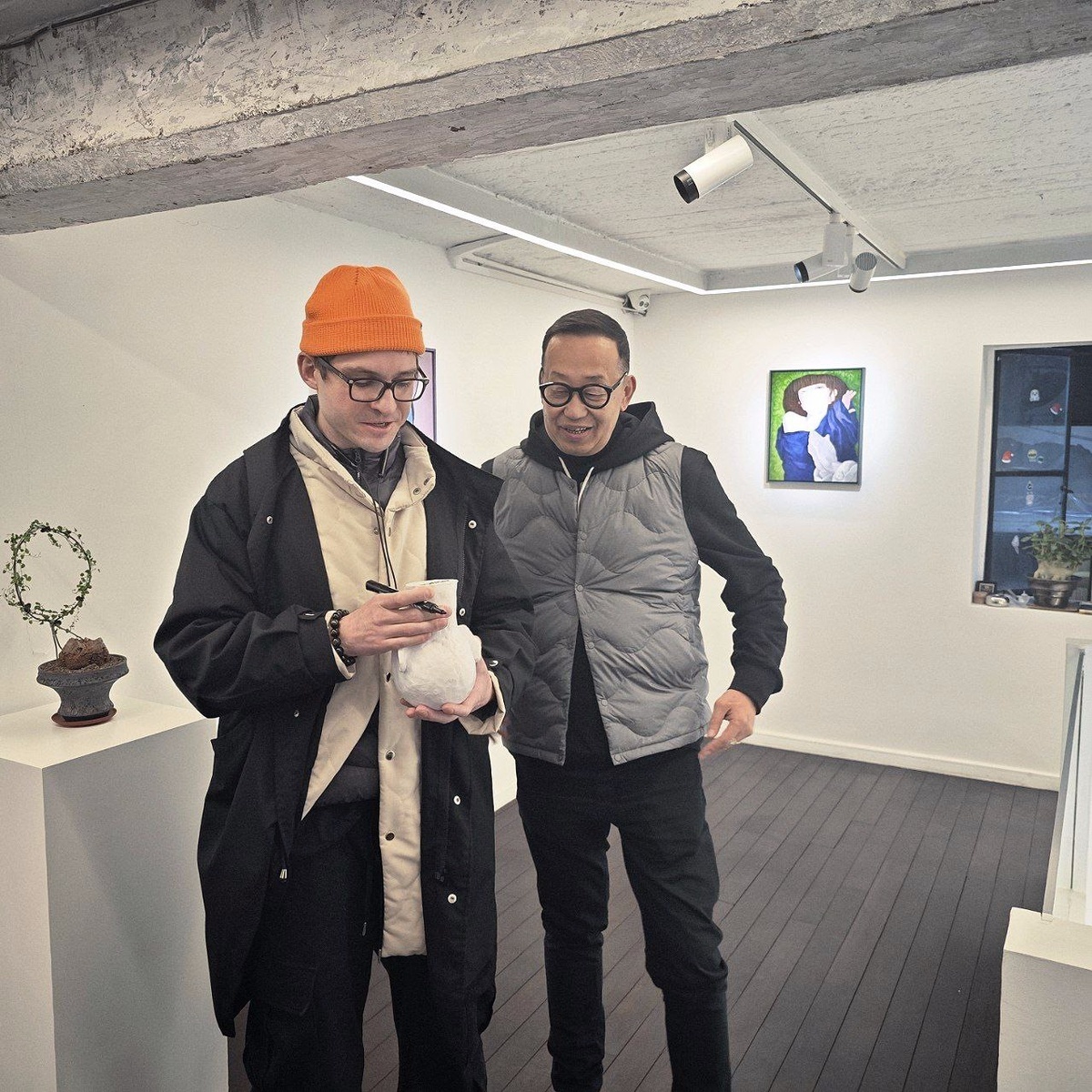
My paintings were shown in the halls of the Tretyakov Gallery alongside the best Academy graduates, even though I have always been self-taught and was born in a small town. I used to think of that as an achievement, but now I feel cool about accolades of any kind. Travelling around China, I managed to establish a partnership with a major Shanghai gallery: I did a spontaneous review and performance inside their showroom and got complex ideas across, first time, to someone from a radically different identity. The very possibility of that kind of communication is my new achievement, as is a deep understanding of Chinese culture in general. It’s worth noting that I started depicting characters with Asian features long before my emigration, as if I had programmed the events of my own life.
What is your mission as an artist?
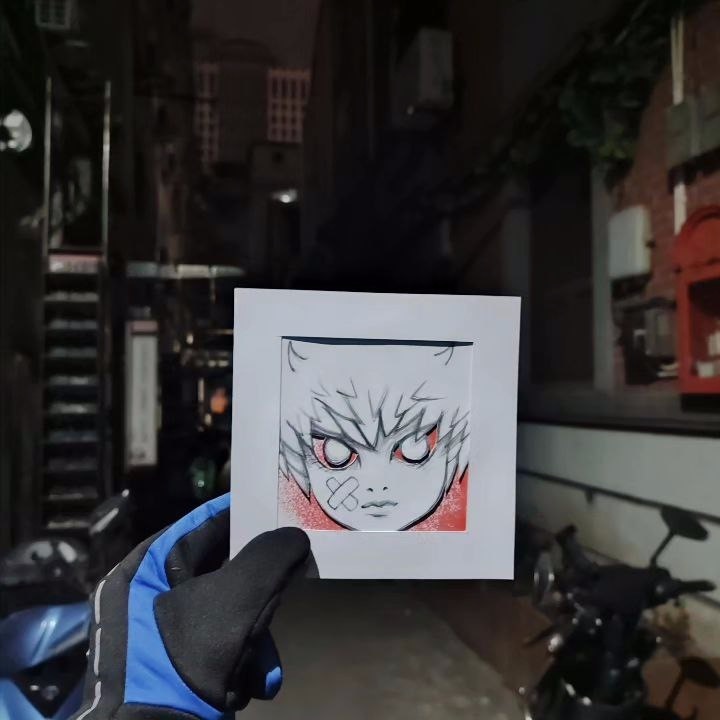
When it comes to a mission in art, I’d avoid any note of pretension or of the artist owing something to the world. An artist owes nobody anything, and life is just a game. Still, simply existing within your own art, being independent of capitalist realities, is already no small achievement for an author. Although there is certainly some component of mission there, and — following the practices of post-war Europe, Beuys’s rituals for instance — I try to use art to fight the existential trauma of today’s society. My characters live through the same experience of the present day and show examples of getting through difficult situations; I often create spaces for recreation or for art hacking — an intervention into an environment aimed at achieving structural change.
Can you give three pieces of advice to artists who want to make contemporary art?
1) You need to study the art world and how it is structured, and to study the philosophy of art, so as not to be unwittingly derivative. That’s the baseline.
2) There will be no quick results; money isn’t an end in itself, it is a tool, while the idea has to come first and has to hack the matrix of reality, the way Andy Warhol’s soup can did. That’s when it’s art.
3) Be prepared for the fact that today’s market isn’t waiting for new artists with open arms; the established generation will compete with you, and only a handful will reach anything like the finish line. The friendliness of the market is a myth; studying its psychology is the key to understanding it.
Want to build a career in art?
OnStudy online programmes, led by curator Maria Hiltunen-Sedoshenko: art management, selling art and building an artist’s career.
 WhatsApp
 Telegram
 I have a question

