


 All Programs

What Is Performance Art? The Medium and How to Look at It

A performance is a work of art that exists as the artist’s action in a specific time and space. What the viewer encounters is not an object that can be contemplated for as long as they like, but the action itself. It has a beginning and an end.
This is where one of the difficulties in perceiving performance comes from. We are used to looking at painting through the image, and at sculpture through form and volume. When what we have in front of us is an action, the familiar criteria start to work differently.
Performance calls for a different lens
There is a fundamental point here, connected with the shift from modernism to postmodernism, and from painting and sculpture as traditional forms to installation, performance, happenings and environments. What changes is the very lens of perception: the optics of the artist when making the work, and of the viewer when reading it.
I often put it quite simply: there is no point in analysing an installation by the principles we use to look at painting. Exactly the same goes for performance.
If we watch an action and try to judge only how beautiful the resulting image is, we may walk straight past the work itself. The artist may be exploring communication with the viewer, physical experience, interaction with the space, or another theme they have stated. A work has to be analysed within the frame of reference in which it was made.
Look, when we judge a work purely by our own taste, the conversation fairly quickly comes down to “I like it” or “I don’t like it”. An opinion like that is perfectly fine, but it says more about the viewer than about the work. To understand a performance, you have to try to see what the artist set out to do and what happened during the action.
This is also where the question of whether a work is derivative comes in. Two performances may have a similar visual image, but visual resemblance in itself settles nothing if the works are built around different aims. For practices that do not focus on the visual side, judging by the picture alone simply does not work.
Performance and the art market
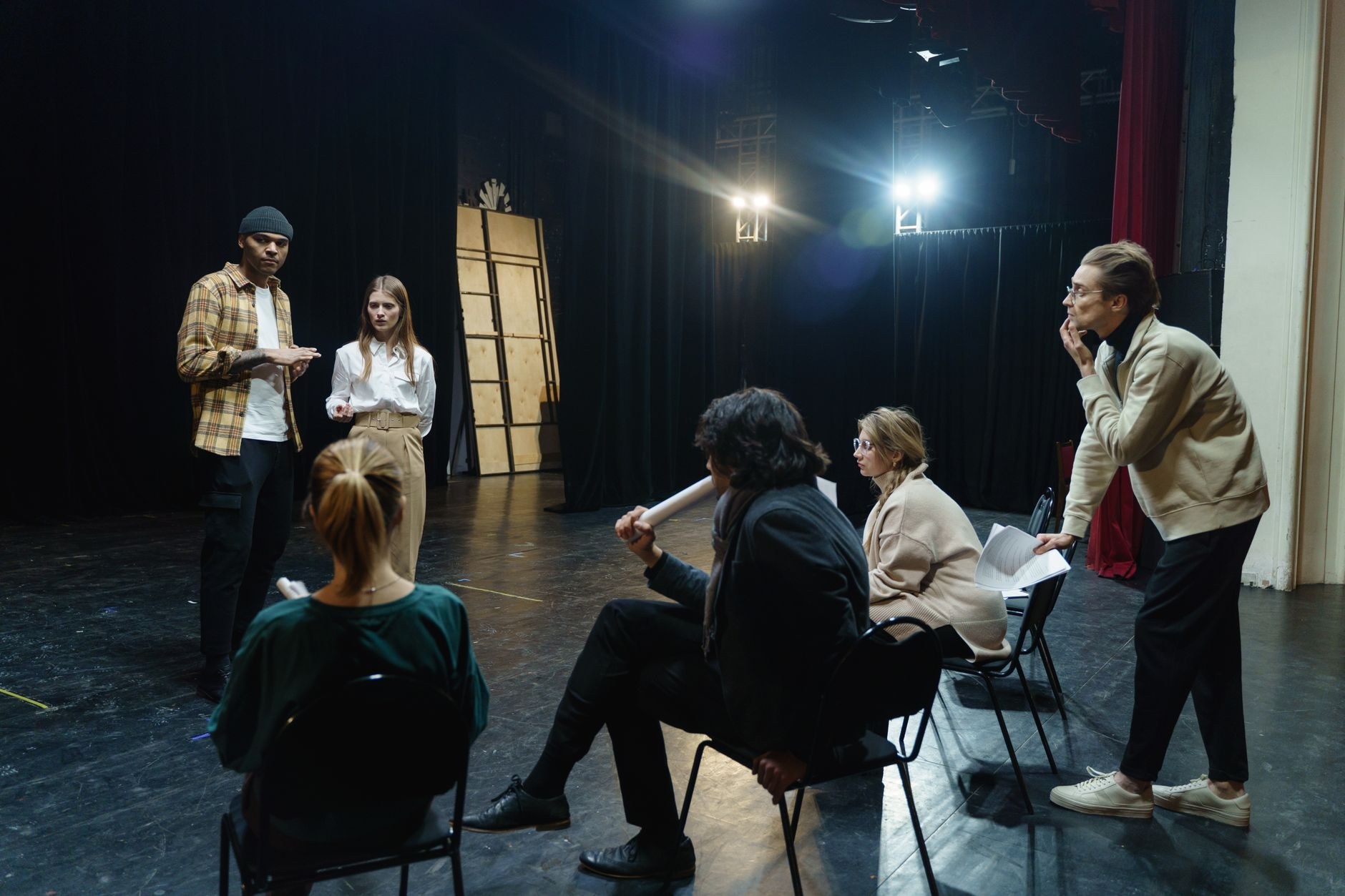
Performance has a rather interesting relationship with the market. If we think back to the 1960s and 1970s, conceptualism and performance were among the movements that criticised the market on principle.
Performative practices and conceptual art started from the idea of mediums freed from the market’s authority. Selling a performance, it seemed at the time, was practically impossible. The action has taken place, it is over, and there is no familiar object that you can take away with you.
Against this background, the example of Piero Manzoni is telling. He staged performances and sold the opportunity to have a person signed, after which that person was considered a work of art by virtue of the artist’s signature. In a sense it was a farce, but it reflected very well the growing commercialisation of the market.
In the end, the market learned to work with these practices too. Conceptual art can be very expensive, while performance is documented in photographs, video and text, and that documentation is sold too.
A number of art critics and curators are upset about this and say that the market has won. I lean towards a calmer position: looking for a balance in this dialogue. An artist can make a serious statement for their time and culture and, at the same time, be successful in the art market. The one does not have to cancel out the other.
What remains after the action
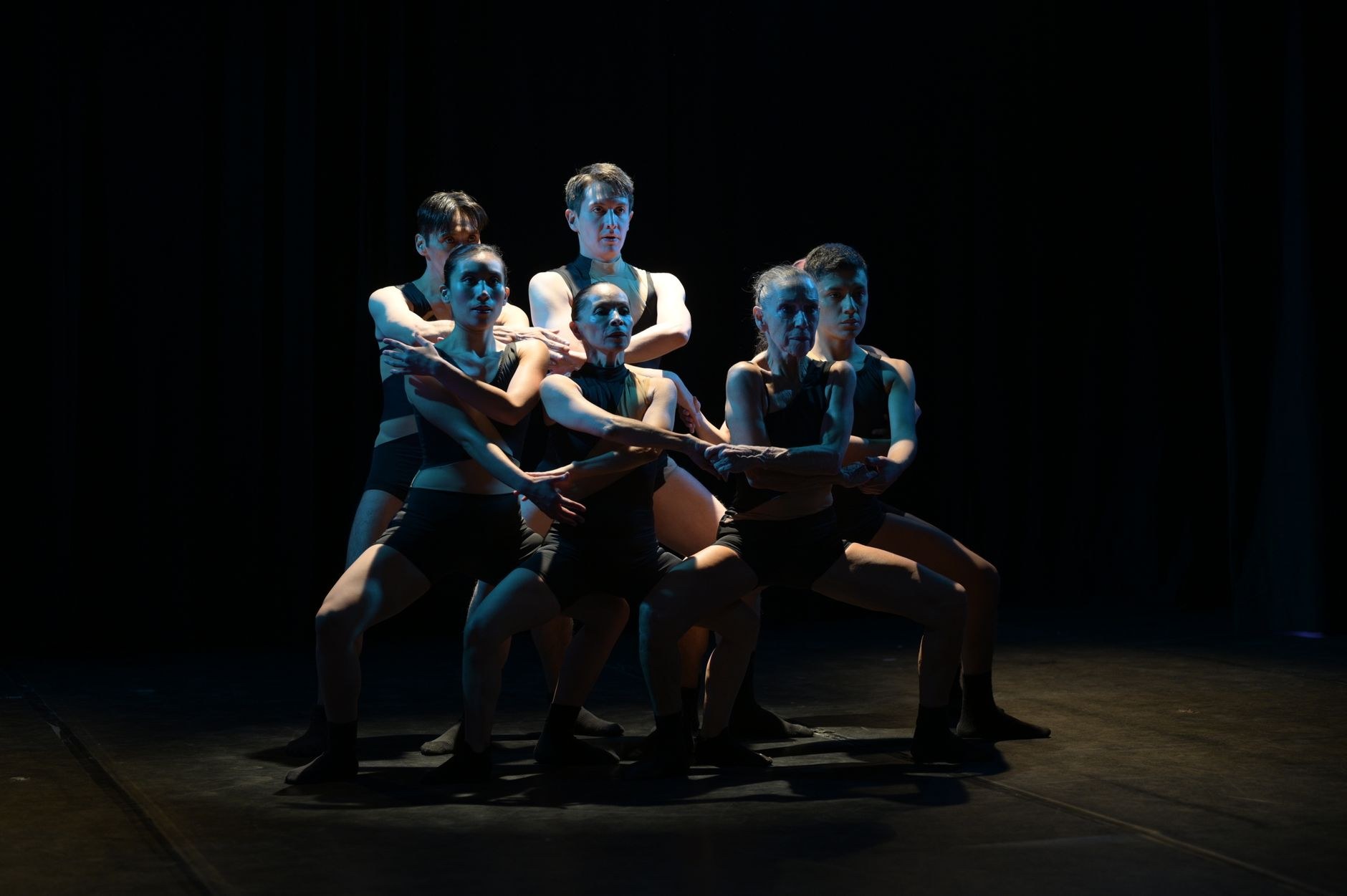
The performance itself is over and the audience has left. For the artist, work on the piece does not end there, because from then on it exists through its documentation.
Photographs capture individual moments of the action. Video preserves the way it unfolds over time. Written documentation helps to convey what cannot be understood from a single frame. That is why I would treat photographing and filming a performance as part of the work on the piece, not as a technical report on an event that is over.
There is one more practical problem here. We cannot add video documentation of a performance to a portfolio, but we can add it to a website. A static PDF is simply not designed to properly show an action unfolding over time.
In this sense, an artist who works with performance needs a website more than an artist who works with painting does. A painting can be shown in a portfolio with a good-quality photograph. A single still from a performance cannot convey everything that took place.
On a website you can bring together photography, video and a written description of the project, so that a person gets an idea of the work even if they did not see it live. For performative practices, an archive like this becomes a continuation of the work’s life after the action itself has ended.
Performance cannot be reduced to a spectacular show
Sometimes performance is read first and foremost as an unusual act in front of an audience. But being spectacular says nothing in itself about the quality of the work.
It is far more interesting to look at why the artist chose action in particular and what they are exploring through it. Does the idea the artist has stated actually work? Does the experience or the communication the performance was made for actually come about? A beautiful image may well appear here, but judging the whole work by it is pointless.
And if the action exists only at a particular moment, then afterwards a great deal depends on how the artist recorded it. Sometimes it is through the documentation that most of its future viewers will encounter the performance.
The free “Into the Art World” programme
Maria Hiltunen-Sedoshenko explains how artists can sell their work and build a career in contemporary art, from the first steps to an exhibition of their own.
 WhatsApp
 Telegram
 I have a question

